
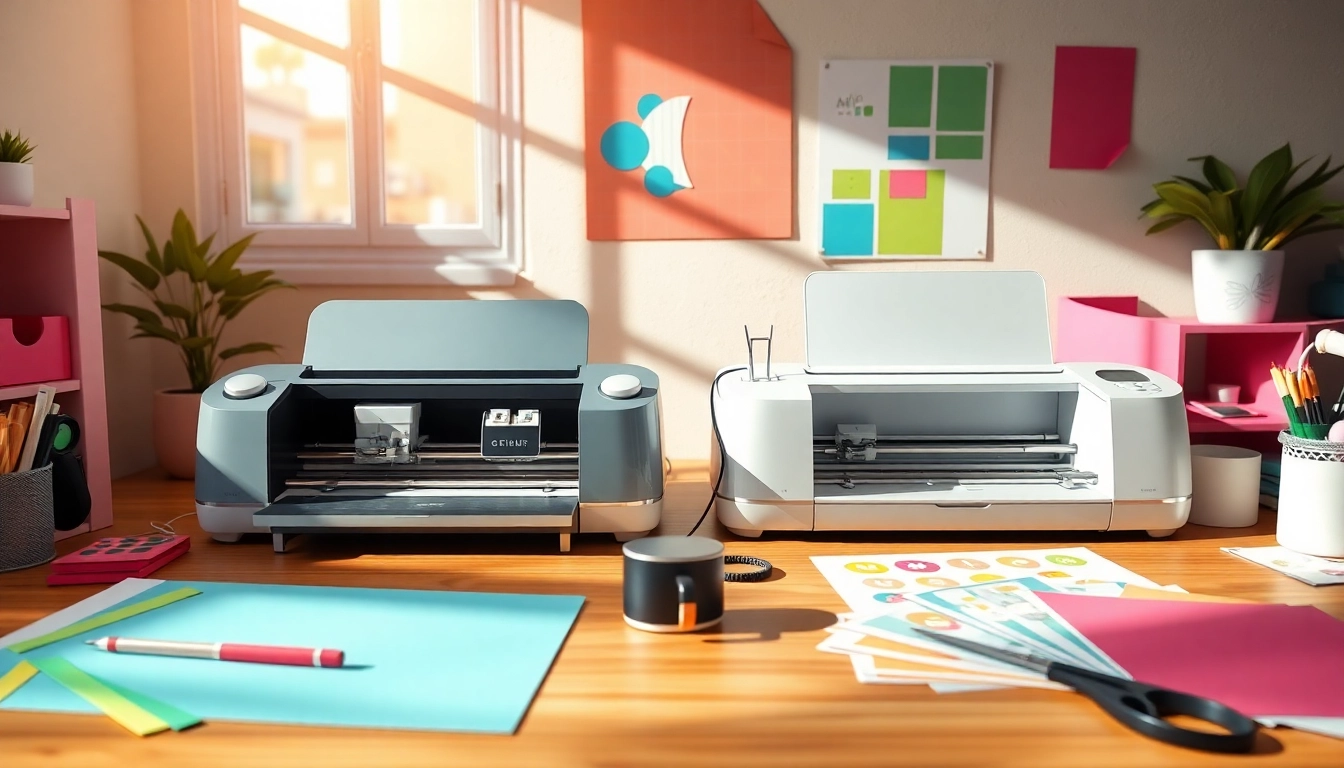
Understanding the Basics: Silhouette vs Cricut
In the world of crafting, two names often dominate discussions: Cricut and Silhouette. Both machines have carved out impressive niches in the DIY community, offering a plethora of features that cater to a variety of crafting needs. As we delve into the intricacies of these two brands, we will explore the capabilities, ease of use, and overall performance of their various models. Whether you are a seasoned crafter or a novice looking to start your creative journey, understanding the differences between Cricut and Silhouette will help you make an informed decision about which machine fits your needs best. For detailed insights on comparing options, silhouette vs cricut provides excellent information that can guide you through the selection process.
What are Cricut and Silhouette Machines?
Cricut and Silhouette are prominent manufacturers of electronic cutting machines tailored for crafting enthusiasts. These machines can cut various materials, including cardstock, vinyl, fabric, and more, allowing users to create intricate designs and projects ranging from home décor to custom apparel. The primary difference between the two lies in their design philosophy and the software that powers them. Cricut machines, like the Explore and Maker series, are often lauded for their user-friendly interface and streamlined design process. In contrast, Silhouette machines, such as the Cameo series, are known for their versatility and advanced design capabilities, appealing to more experienced users who enjoy working with complex projects.
Key Features of Cricut Machines
- Intuitive Design Space: Cricut’s Design Space software provides a seamless experience, allowing users to design projects easily, select materials, and manage cuts with just a few clicks.
- Variety of Cutting Tools: Cricut machines come equipped with a range of tools, including the rotary blade for fabric and the knife blade for thicker materials.
- User-Friendly Setup: The setup process for Cricut machines is straightforward, making it accessible for beginners.
- Smart Materials: Cricut offers proprietary smart materials that allow for matless cutting, enhancing convenience and reducing waste.
Key Features of Silhouette Machines
- Advanced Software Capabilities: Silhouette Studio software offers extensive design tools with features for creating intricate designs and custom patterns.
- Flexibility with Materials: Silhouette machines generally provide a larger cutting area, enabling users to work with larger projects.
- Customizable Settings: Advanced users can tweak settings on Silhouette machines for precise cuts in various materials.
- User Community and Resources: Silhouette has a strong community offering tutorials, projects, and design inspirations, which can greatly enhance the learning experience.
Comparative Analysis: Performance and Versatility
Cutting Accuracy: Silhouette vs Cricut
When it comes to cutting accuracy, both Cricut and Silhouette have their strengths. Cricut machines are known for their precision, particularly when using the rotary blade or knife blade, which can handle thicker materials with ease. On the other hand, Silhouette machines often shine with intricate designs due to their powerful software, allowing for minute adjustments in cutting depth and speed. Users who require precise cuts for detailed paper crafts may find Silhouette machines more appealing, while those focused on a smoother operation and speed might lean towards Cricut.
Material Compatibility: A Closer Look
Another significant factor in choosing between Cricut and Silhouette is the compatibility with various materials. Cricut machines are particularly adept at cutting a broad range of materials, including specialty vinyls, leather, and even wood. Their design is optimized for these diverse applications, which can be a significant advantage for crafters with varied project ideas. Silhouette machines also perform well with various materials but excel in thinner and more delicate substances, making them ideal for intricate designs and layered projects.
Ease of Use: User Experience Insights
For beginners, ease of use is a crucial consideration. Cricut’s straightforward setup and intuitive interface allow users to start crafting almost immediately after unpacking the machine. Its online support and vast library of pre-made designs simplify the creative process for novice crafters. Conversely, while Silhouette machines offer more advanced design features, the learning curve can be steeper. However, experienced users and those willing to invest time in learning may greatly benefit from the extensive design capabilities Silhouette offers.
Software and Design Capabilities
Exploring Cricut Design Space
Cricut Design Space is a cloud-based software that allows users to design and manage their projects from any device with internet access. It features a user-friendly interface where users can create their designs, choose materials, and manage cutting settings. The software provides access to a vast library of images, fonts, and projects, making it easier for crafters to find inspiration and execute complex designs quickly. Additionally, the software allows for integration with various design tools and apps, further enhancing its usability.
Utilizing Silhouette Studio
Silhouette Studio is a powerful software tool that offers extensive capabilities for designing and editing projects. Unlike Cricut, it provides advanced features such as the ability to draw shapes, manipulate text, and create detailed designs with various layers. For users who enjoy customizing their projects at a granular level, Silhouette Studio’s capabilities can be incredibly satisfying. Moreover, the software allows importing of external files and formats, giving users the flexibility to work with their own designs and artwork.
Software Tools for Beginners: A Comparison
For beginners, the selection of software can make a significant difference in their crafting journey. Cricut’s Design Space is often seen as more approachable due to its beginner-friendly layout and extensive resources. Silhouette Studio, while powerful, may require more time to master. However, both platforms offer tutorials and community support to help novices get started. Ultimately, the choice of software may influence the overall crafting experience, with Cricut generally being favored by those seeking simplicity and Silhouette appealing to those desiring complexity.
Pricing and Value: Which Machine is Worth It?
Initial Costs: Price Points of Silhouette vs Cricut
The initial investment in a cutting machine is a significant consideration for buyers. Cricut machines tend to be priced higher, often starting around $249 for basic models and going up to $399 for the Cricut Maker. Silhouette machines, like the Cameo 4, are generally more affordable, starting at around $299 but can vary based on features and editions. While upfront costs are essential, it’s crucial to consider long-term value and potential savings when evaluating your investment.
Ongoing Expenses: Accessories and Materials
In addition to initial costs, ongoing expenses can impact total ownership cost. Cricut machines often require proprietary materials and accessories, which can add to the expense over time. Conversely, Silhouette machines generally have a wider range of compatible materials and may allow for more cost-effective sourcing options. Crafters should consider not only the cost of the machine but also the recurring costs associated with maintaining their crafting supplies.
Long-term Value: Crafting Investments
When evaluating long-term value, it is essential to consider how often you will use the machine and for what types of projects. For crafters who frequently create and experiment with different materials, investing in a more expensive but versatile machine like the Cricut Maker may yield better results over time. On the other hand, those who occasionally dabble in crafting may find the Silhouette machines provide sufficient capability without the higher price tag, offering good value for less frequent use.
Future Trends in Crafting Tools and Technology
Emerging Features for 2026 and Beyond
As we look to the future of crafting machines, emerging trends indicate a move towards machines with increased automation and enhanced connectivity. Expect to see more machines that can sync with smartphones and tablets for a seamless crafting experience. Additionally, advancements in cutting technology may lead to machines that can cut a wider variety of materials with greater precision and speed.
Impact of 3D Printing on Crafting Machines
The rise of 3D printing technology is likely to influence the functionality of traditional cutting machines. As materials and techniques evolve, we may see hybrid machines that combine 2D cutting and 3D printing capabilities, allowing for even more creative possibilities and project variations.
Consumer Preferences and Market Predictions
Consumer preferences continue to evolve, with a growing demand for machines that provide multi-functionality and ease of use. As crafting communities expand and the popularity of DIY projects increases, the market may respond with more user-friendly options that cater to both novice and experienced crafters alike.
About the Author