
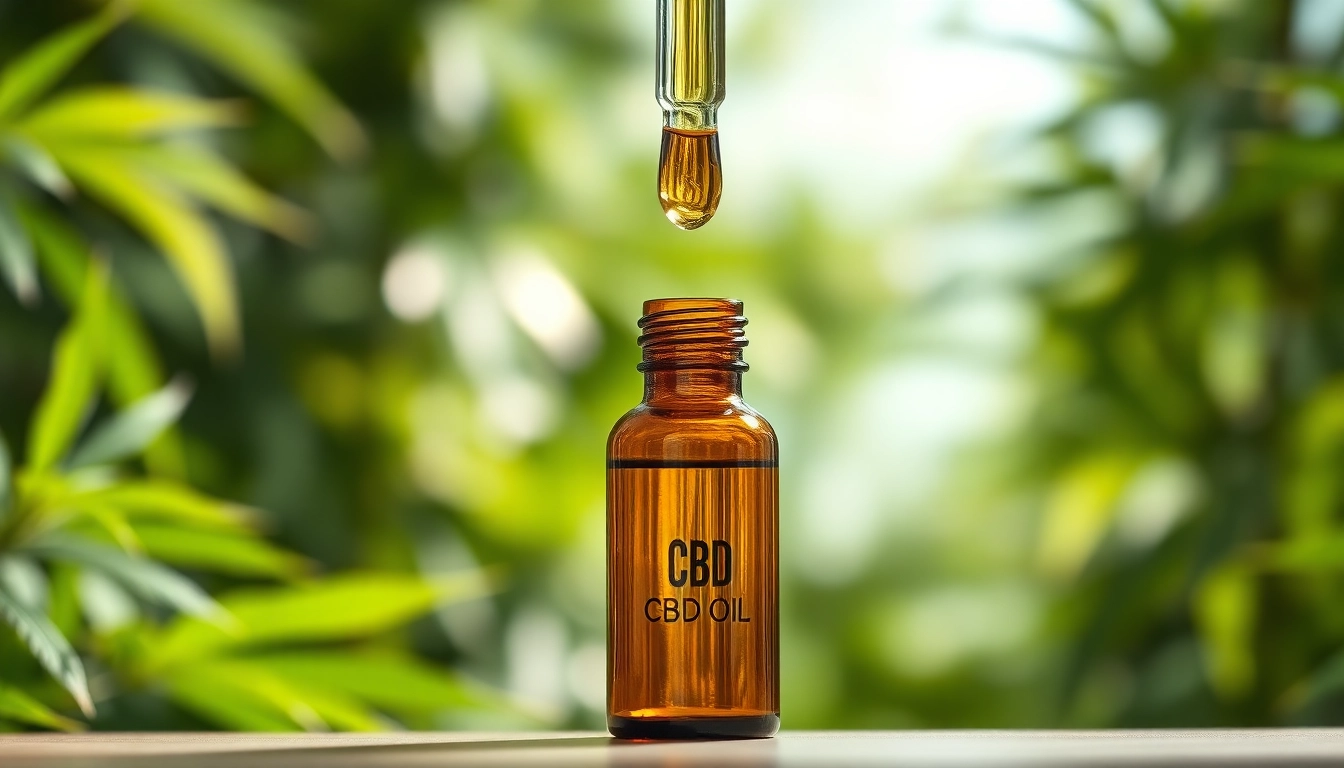
What is CBD Oil?
Cannabidiol (CBD) is gaining popularity as a natural remedy for a variety of health concerns. Extracted from the cannabis plant, it’s one of over a hundred cannabinoids identified in hemp. Unlike tetrahydrocannabinol (THC), CBD does not produce a psychoactive effect, allowing users to experience potential health benefits without the "high". Its therapeutic properties and non-intoxicating nature make CBD Oil a versatile option in the wellness community. For more detailed insights into CBD Oil, you can refer to CBD Oil.
Understanding CBD Oil and Its Extraction Process
The extraction of CBD Oil can occur through various methods, including CO2 extraction, solvent extraction, and oil infusion. Of these, CO2 extraction is often considered the gold standard due to its efficiency and pureness. This process uses pressurized carbon dioxide to pull CBD and other beneficial compounds from the plant while maintaining their integrity. Other methods, such as using solvents like ethanol or butane, may also yield effective products but come with concerns regarding residual chemicals.
After extraction, the oil may undergo further refinement processes to remove unwanted compounds, ensuring that the final product is safe for consumption and retains maximum potency.
Key Components of CBD Oil and Their Effects
The primary component of CBD Oil is, unsurprisingly, CBD itself. However, the oil may also contain other cannabinoids, terpenes, and flavonoids, particularly if it’s a full-spectrum or broad-spectrum product. Each component plays a vital role in the oil's overall effects due to the "entourage effect," where different compounds work synergistically to enhance therapeutic benefits.
For instance, terpenes contribute to the aroma of the oil and can have therapeutic effects of their own, such as reducing anxiety or promoting relaxation. The presence of other cannabinoids like CBG or CBN can further enhance these effects.
Legal Status of CBD Oil and Regulations
The legal status of CBD Oil varies significantly across regions and is governed by local laws. In many places, CBD derived from hemp containing less than 0.3% THC is legal. In contrast, CBD derived from marijuana plants often falls under stricter regulations. It is crucial to consult local laws and regulations to ensure compliance and understand the legality of purchasing and using CBD Oil in your area.
While many products are now available on the market, they can vary in quality and safety. It’s advisable to choose products that undergo third-party testing and provide certificates of analysis (COAs) to guarantee the quality of ingredients.
Health Benefits of CBD Oil
Potential Relief from Chronic Pain
Chronic pain affects millions of individuals and can significantly diminish quality of life. Research indicates that CBD Oil may provide relief from pain by influencing endocannabinoid receptors in the brain and immune system. By modulating signals for pain perception, CBD can potentially reduce inflammation and alleviate discomfort.
Patients managing conditions such as arthritis or multiple sclerosis have reported significant improvements in pain management through regular use of CBD Oil. Clinical studies have demonstrated its effectiveness, highlighting CBD's promise as a viable pain relief alternative.
Effects on Anxiety and Stress Management
Anxiety disorders are among the most common mental health conditions, affecting both individuals and their capacity to function. Preliminary studies suggest that CBD Oil may help reduce anxiety by affecting serotonin levels in the brain, known to influence mood and emotional response.
Research has indicated that CBD can help individuals regulate stress responses, improve overall mood, and promote relaxation. Many users now incorporate CBD Oil into their daily wellness routine as a means to manage anxiety and enhance mental clarity.
Support for Sleep Disorders
Sleep disorders, including insomnia, can lead to various health issues, including reduced cognitive function, emotional disturbance, and overall fatigue. Using CBD Oil has shown promising results in promoting better sleep quality and aiding in the regulation of sleep patterns.
The calming effects of CBD can help users fall asleep faster and stay asleep longer, allowing the body to experience the benefits of restorative sleep. For those suffering from sleep disturbances, integrating CBD Oil into their routine could serve as a natural aid.
Different Types of CBD Oil
Full-Spectrum vs. Broad-Spectrum CBD Oil
When it comes to CBD Oil, understanding the difference between full-spectrum and broad-spectrum is key. Full-spectrum CBD Oil contains all cannabinoids, terpenes, and other compounds found in the cannabis plant, including a trace amount of THC. This full profile allows for the synergistic effects known as the entourage effect.
On the other hand, broad-spectrum CBD Oil contains various cannabinoids and terpenes but has been processed to remove all THC. This option is ideal for those who wish to avoid THC exposure while still benefiting from the combined effects of multiple compounds.
Isolate CBD Oil: What It Means
CBD Isolate is the purest form of CBD, containing 99% pure cannabidiol. This form is ideal for anyone looking to avoid all other cannabinoids. Isolate is flavorless and can easily be incorporated into various wellness routines, from cooking to direct consumption. However, it lacks the entourage effect, as it does not contain other beneficial cannabinoids or terpenes.
Choosing the Right Type for Your Needs
When selecting the appropriate type of CBD Oil, consider your individual needs and health goals. Full-spectrum may be more suitable for those seeking maximum benefit from the entire plant, while broad-spectrum or isolate could be better for users sensitive to THC or wishing to avoid it altogether.
Moreover, consulting with a healthcare provider can provide personalized insight into which type of CBD Oil may align with your specific health conditions or wellness objectives.
How to Use CBD Oil Effectively
Recommended Dosage and Consumption Methods
Determining the right dosage of CBD Oil can feel overwhelming, as each individual's response can vary widely based on factors like body weight, metabolism, and the condition being treated. A common starting point is to take 10-20 mg of CBD once or twice daily and gradually adjust based on individual response.
There are numerous consumption methods, including sublingual drops, capsules, edibles, and topical applications. Sublingual administration, where drops are placed under the tongue, offers rapid absorption and is often favored for its quick onset of effects.
Combining CBD Oil with Other Wellness Practices
For optimal results, consider integrating CBD Oil with other wellness practices. Techniques such as meditation, yoga, or regular physical activity can enhance the overall benefits of CBD by promoting relaxation and improving mental clarity. Exploring these combinations may lead to a more comprehensive approach to health and well-being.
Common Mistakes to Avoid When Using CBD Oil
When beginning to use CBD Oil, it's essential to avoid common pitfalls that can hinder its effectiveness. These include not starting with a low enough dose, not being consistent with usage, and neglecting to track progress. Maintaining a journal to monitor doses and effects can help refine individual approaches and help determine what works best.
Moreover, always opt for quality products backed by testing. Low-quality oils may deliver inconsistent results, undermining the potential benefits of CBD.
Safety and Side Effects of CBD Oil
Understanding Potential Side Effects
While CBD Oil is generally considered safe, users may experience side effects. These can include fatigue, changes in appetite, diarrhea, or dry mouth. Since individual responses can vary, being aware of these potential effects is crucial for optimal use.
Before using CBD Oil, especially if you have underlying health conditions or are taking medications, it’s essential to consult with a healthcare provider to avoid any interactions or complications.
Consulting Healthcare Providers: When and Why
Consulting a healthcare provider is particularly important before starting CBD Oil for individuals with chronic health issues or those who are pregnant or breastfeeding. Professional guidance ensures that you have a solid understanding of how CBD may interact with medications or influence existing health conditions.
Monitoring Your Reaction to CBD Oil
Monitoring your body’s reaction to CBD Oil is an essential part of its use. Pay attention to how it affects your physical and mental state over time. Keeping a detailed log can help you understand the benefits and any adverse reactions, allowing for adjustments in dosage or frequency of usage as needed.
As research continues to evolve, understanding how to best incorporate CBD Oil into your wellness routine will provide more personalized results, ensuring that its compounding benefits are realized.