
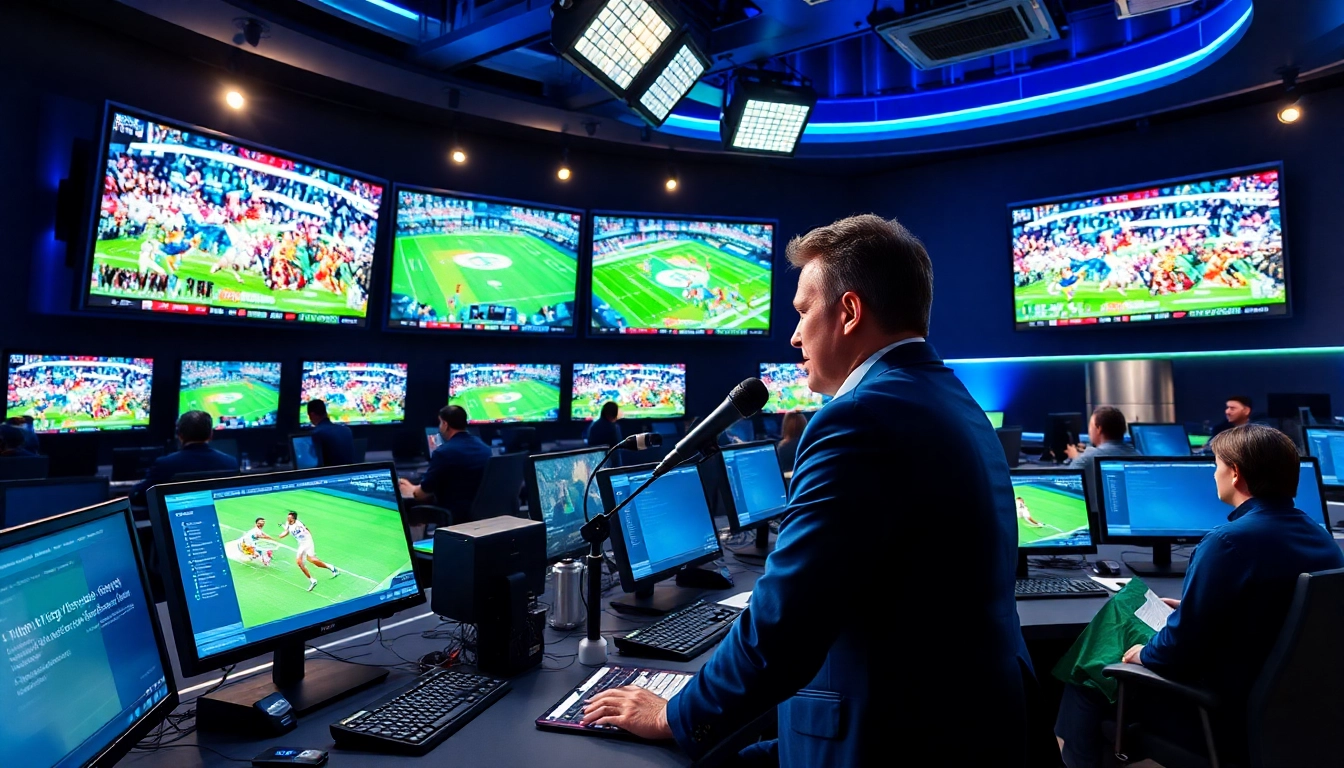
Understanding the Fundamentals of Sports Broadcasting
What is Sports Broadcasting?
Sports Broadcasting is a form of media communication that involves disseminating live sporting events, analysis, and discussions through various platforms like television, radio, and digital channels. It plays a crucial role in connecting fans with their favorite sports, athletes, and teams. By delivering real-time commentary and analysis, Sports Broadcasting transforms the viewer experience from mere spectatorship to active engagement. With the rapid evolution of technology, the landscape of sports coverage has shifted, making it more accessible than ever before.
Key Components of Sports Broadcasting
The key components of Sports Broadcasting encompass several critical elements:
- Live Coverage: This is the core of Sports Broadcasting, providing viewers with real-time action from events, ensuring they don't miss any vital moments.
- Commentary: Expert analysis enhances viewer understanding and enjoyment, guiding them through the intricacies of the game.
- Production Quality: High-definition visuals, superior sound quality, and innovative camera angles enhance the viewing experience.
- Storytelling: Narratives around athletes and teams foster emotional connections and loyalty among fans.
Importance of Sports Broadcasting in Today's Media Landscape
In an era where content is king, Sports Broadcasting holds significant importance in the media landscape. Firstly, it provides a platform for advertisers to reach a vast audience, creating financial incentives that drive the sports industry. Moreover, it stimulates community involvement and fosters a sense of belonging among fans, sparking conversations and interactions that transcend geographical barriers. With the integration of digital technologies, Sports Broadcasting has evolved into a multifaceted experience, offering fans personalized content tailored to their preferences.
The Evolution of Sports Broadcasting Technology
Historical Milestones in Sports Broadcasting
The journey of Sports Broadcasting began with radio broadcasts in the early 20th century, evolving with the introduction of television which revolutionized how sports were consumed. Significant milestones include:
- First Radio Broadcasts: The first sporting events aired on radio in the 1920s introduced audiences to live sports commentary.
- Television Broadcasting: The 1950s saw television become a mainstream medium for sports, dramatically increasing viewership and revenues.
- Satellite Technology: The 1980s introduced satellite broadcasting, allowing networks to broadcast events globally, creating a larger audience base.
Current Trends in Sports Broadcasting Technology
Today's Sports Broadcasting landscape is marked by innovative technological advancements, keeping pace with evolving viewer expectations. Key trends include:
- Streaming Services: The shift towards digital streaming platforms allows viewers to watch games on-demand, changing how broadcasts are delivered.
- Augmented Reality (AR) and Virtual Reality (VR): These technologies provide immersive experiences, allowing fans to feel part of the action from the comfort of their homes.
- Data Analytics: Broadcasters leverage data analytics to deliver enhanced insights during broadcasts, enriching viewer engagement and experience.
Future Innovations Impacting Sports Broadcasting
The future of Sports Broadcasting is ripe with possibilities. Anticipated innovations include:
- 5G Technology: Enhanced internet speeds will support high-definition streaming and real-time interaction, significantly improving overall viewer experience.
- AI in Broadcasting: Artificial Intelligence can process data to provide personalized content for viewers, creating targeted advertising opportunities.
- Blockchain Technology: This can usher in secure transactions for pay-per-view models, ensuring transparency and trust in content distribution.
Audience Engagement Strategies in Sports Broadcasting
Creating Interactive Content for Sports Broadcasting
Interactive content is becoming essential for engaging audiences. Sports broadcasters now employ various methods to enhance viewer participation, including:
- Live Polls: Allowing audiences to vote on their favorite players or predict game outcomes fosters interaction.
- Q&A Sessions: Engaging athletes or analysts in live sessions helps build connections with the audience.
- Social Media Integration: Leveraging platforms like Twitter and Instagram for live updates and fan interactions keeps the engagement going.
Leveraging Social Media for Enhanced Sports Broadcasting
Social media's role in Sports Broadcasting has transformed how fans engage with content. Strategies include:
- Real-time Updates: Broadcasting live scores and highlights through social channels keeps fans informed.
- Behind-the-Scenes Content: Sharing training clips, athlete interviews, and locker room moments creates additional layers of engagement.
- User-Generated Content: Encouraging fans to share their experiences cultivates a sense of community within the fan base.
Measuring Audience Engagement in Sports Broadcasting
Measuring audience engagement is crucial for broadcasters to refine their strategies. Key metrics to track include:
- Viewership Ratings: Analyzing viewership numbers provides insights into content popularity.
- Social Media Interactions: Likes, shares, and comments gauge the community's response to broadcasts.
- Engagement Duration: Measuring how long viewers stay engaged helps identify content effectiveness.
Monetization Models in Sports Broadcasting
Traditional Advertising Approaches in Sports Broadcasting
Traditional advertising remains a key revenue driver in Sports Broadcasting. This includes:
- Commercial Slots: Advertisements aired during game breaks target the large live audiences effectively.
- Sponsored Content: Sponsored segments introduce brands seamlessly into the viewing experience without disrupting the flow of events.
- Product Placement: Integrating brands into broadcasts enhances brand visibility while keeping content authentic.
Innovative Sponsorship Deals in Sports Broadcasting
Innovative sponsorship deals provide new ways to drive revenue. Examples include:
- Exclusive Broadcast Rights: Networks pay premium fees for the rights to air specific games or events, ensuring large audiences.
- Influencer Partnerships: Collaborating with athletes and personalities can enhance brand reach and viewer trust.
- Fan Engagement Campaigns: Sponsorship tied to interactive fan experiences boosts both brand presence and audience loyalty.
Subscription and Pay-Per-View Models in Sports Broadcasting
Subscription services and pay-per-view platforms are changing the monetization landscape. This includes:
- Monthly Subscriptions: Offering access to multiple events for a flat fee creates predictable revenue streams for broadcasters.
- Pay-Per-View Events: Charging for exclusive or high-demand events taps into the willingness of fans to pay for premium content.
- Tiered Packages: Providing various subscription levels allows viewers to choose based on their viewing preferences and budget.
Challenges and Opportunities in Sports Broadcasting
Navigating Legal and Ethical Challenges in Sports Broadcasting
Legal and ethical challenges abound in Sports Broadcasting, including copyright issues and fair usage regulations. Broadcasters must ensure proper licensing to avoid legal ramifications. Furthermore, maintaining journalistic integrity during broadcasts is crucial to uphold trust with audiences. Establishing transparent practices enhances credibility and fan loyalty.
The Role of Analytics in Sports Broadcasting Decision-Making
Data analytics has become a vital asset in Sports Broadcasting, driving decision-making. Analytical tools help broadcasters understand viewer preferences and behaviors, allowing them to tailor content accordingly. By analyzing data trends, broadcasters can optimize advertising strategies, enhance engagement, and create personalized experiences for viewers.
Identifying Growth Opportunities in Sports Broadcasting
The Sports Broadcasting industry is ripe for growth. Key opportunities include:
- Expanding Digital Platforms: Increasing digital engagement through mobile apps and streaming services can attract younger audiences.
- Global Markets: Expanding into international markets offers new revenue streams and viewership opportunities.
- Community-Centric Approaches: Focusing on local sports and regional preferences fosters loyal fan bases and creates community-driven content.
Frequently Asked Questions
What is the primary purpose of Sports Broadcasting?
The primary purpose of Sports Broadcasting is to deliver live sports events and analysis to audiences, enriching their experience and connection to sports.
How has technology influenced Sports Broadcasting?
Technology has transformed Sports Broadcasting by enhancing production quality, increasing accessibility through streaming, and integrating interactive features.
What are common monetization methods in Sports Broadcasting?
Common methods include traditional advertising, sponsorship deals, and subscription or pay-per-view models, providing multiple revenue streams.
How do broadcasters measure audience engagement?
Engagement is measured through viewership ratings, social media interactions, and audience retention metrics, offering insights into content effectiveness.
What are the future trends in Sports Broadcasting?
Future trends include enhanced streaming technology, AI-driven content customization, and richer interactive experiences through AR/VR innovations.