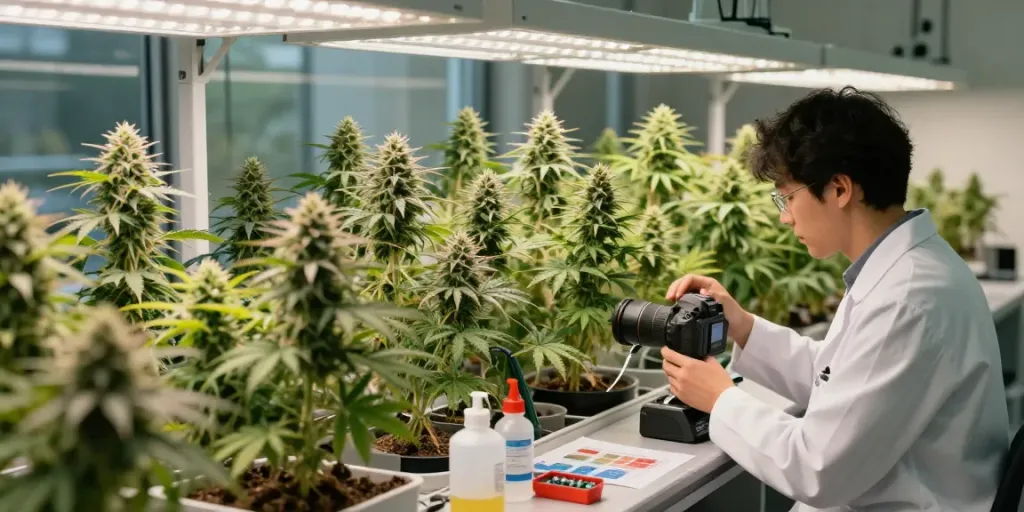
Introduction to F1 Triploid Seeds
As the cannabis industry evolves, so does the science of cultivation, and few advancements have garnered as much attention as F1 triploid seeds. These seeds represent the cutting edge of breeding technology, allowing growers to reap the rewards of enhanced yields and resilience against environmental stressors. But what exactly are triploid seeds, and why should growers consider them? In this comprehensive guide, we will explore the characteristics, advantages, and practical implications of utilizing F1 triploid seeds in cannabis cultivation.
What Are F1 Triploid Seeds?
F1 triploid seeds are unique cannabis seeds that contain three complete sets of chromosomes, unlike the more common diploid seeds that have two. This genetic makeup gives triploid seeds distinct characteristics that can significantly influence cultivation results. While triploid seeds are not a guarantee of specific traits such as flowering schedule or final yield, they offer an exciting alternative to traditional cultivation methods. Their breeding typically involves crossing a tetraploid parent (with four sets of chromosomes) with a diploid parent, resulting in offspring that inherit three sets of chromosomes.
Genetic Makeup and Characteristics
The genetic structure of triploid cannabis is intriguing and complex. Standard diploid cannabis strains have two chromosome sets that divide evenly during meiosis, facilitating the production of viable seeds. In contrast, triploids face challenges during this process due to their uneven chromosome division. This typically results in reduced fertility, meaning that while triploid plants may produce seeds, they often yield fewer, if any, viable seeds when exposed to pollen. Understanding this genetic framework is essential for growers looking to leverage the unique benefits of triploid strains.
Advantages Over Traditional Diploid Seeds
Growers are increasingly drawn to F1 triploid seeds due to several inherent advantages over traditional diploid varieties:
- Seedless Crops: The reduced fertility of triploid plants can lead to seedless flowers, allowing growers to focus on maximizing the quality and potency of the crop.
- Higher Yields: Many growers report that triploid cannabis can produce significantly larger and more robust yields compared to diploid strains.
- Natural Pollen Resistance: With their unique genetic makeup, triploid strains often exhibit enhanced resistance to pollen, providing an extra layer of protection against unintended pollination.
- Faster Flowering Times: Triploid varieties are often engineered for quicker flowering cycles, enabling growers to harvest sooner.
- Boosted THC and Terpene Levels: Many triploid strains are known to achieve higher concentrations of THC and terpenes, enhancing the overall quality and marketability of the product.
The Science Behind Triploidy
How F1 Triploid Seeds Are Created
The process of creating F1 triploid seeds involves specialized breeding techniques that can be intricate. Breeders begin by inducing polyploidy, often through chemical or physical means, to create tetraploid plants. These tetraploids are then crossed with standard diploid plants. The resulting seeds can have three sets of chromosomes, leading to the formation of F1 triploid seeds. It is a careful balance of genetic manipulation that aims to harness the beneficial traits inherent to triploid plants.
F1 vs. Diploid and Autoflower Seeds
When comparing F1 triploid seeds to diploid and autoflower seeds, it's essential to recognize the unique selling points of each variety:
- Diploid Seeds: These are the most commonly cultivated cannabis seeds and typically offer reliable genetic traits. However, they do not have the advantages of sterility or enhanced yields found in triploid strains.
- Autoflower Seeds: Autoflowering varieties flower based on age rather than light cycles, making them easier for novice growers. However, they may not achieve the same height or potency as triploid seeds.
- F1 Triploid Seeds: With their added chromosome set, these seeds provide unique advantages in yield and quality, but they also require careful management due to their often reduced fertility.
Understanding Sterility and Fertility in Triploids
It’s crucial to understand that while triploid plants often exhibit reduced fertility, they are not categorically sterile. The genetic pairing of triploids can lead to a lower likelihood of viable seed production when exposed to pollen. However, factors such as the breeding lineage and environmental conditions can influence this trait. This means that growers looking for completely seedless crops may find triploids to be a suitable solution, but they must also navigate careful breeding practices and growing conditions.
Benefits of Using F1 Triploid Seeds
Enhanced Yield and Quality
One of the primary draws of F1 triploid seeds is their potential to enhance both yield and quality. Various studies and anecdotal evidence suggest that triploid strains can outperform traditional diploids in flower production, sometimes yielding 30% to 100% more flower weight. The combination of higher cannabinoid content and potent terpenes sets these seeds apart, elevating their status among cultivators keen on maximizing their harvests.
Resistance to Environmental Stress
Triploid cannabis plants tend to exhibit greater resilience to environmental stresses, including fluctuations in temperature, nutrient deficiencies, and pest pressures. This adaptability can lead to healthier plants and, ultimately, a more substantial yield at harvest. Given the unpredictable nature of outdoor growing conditions, this trait can be invaluable for commercial growers striving for consistency.
Shorter Growth Cycles for Faster Harvests
With optimized genetic characteristics, triploid seeds often flower faster than their diploid counterparts. This accelerated growth cycle allows growers to reap the benefits of their labor sooner, resulting in quick turnovers and the potential for multiple harvests in a single growing season. This efficiency can significantly enhance profitability for commercial operations.
Practical Tips for Growing F1 Triploid Cannabis
Soil and Nutrient Recommendations
To achieve the best results with F1 triploid seeds, it’s essential to start with high-quality soil enriched with organic matter. A balanced nutrient regimen that includes nitrogen, phosphorus, and potassium, along with micronutrients, will support vigorous plant growth. Regular soil testing can help adjust nutrient levels and pH to ensure optimal growing conditions.
Optimal Growing Conditions
Creating the right environment for triploid cannabis is crucial. These plants thrive in controlled environments where temperature, humidity, and light cycles can be closely monitored. Ideally, soil should be warm and well-aerated, while moisture levels should be consistent but not excessive to prevent root rot and other fungal issues.
Pest and Disease Management Techniques
While triploid plants can be more resistant to pests, they are not immune. Regularly inspect plants for signs of infestation and employ integrated pest management practices to mitigate threats. This may include introducing beneficial insects, using organic pesticides, and maintaining healthy plant vigor through proper nutrition.
Future Trends in Cannabis Breeding
Emerging Technologies in Seed Development
The future of cannabis breeding lies in innovation, with emerging technologies like gene editing and marker-assisted selection poised to revolutionize seed development. These advancements can lead to more resilient and productive strains that push the boundaries of what is possible in cannabis cultivation.
Market Demand for Triploid Strains
As the cannabis market continues to expand, so does the demand for high-yielding, potent strains. Growers seeking to differentiate their products should consider F1 triploid seeds as a viable option to meet this demand. The advantages in yield, quality, and resistance make them a compelling choice for both commercial and home growers.
Legal Considerations for Cannabis Cultivation in 2026
As laws around cannabis continue to evolve, growers must stay informed regarding the legal landscape. Understanding local regulations and ensuring compliance is critical for successful cultivation. With the anticipated changes in legislation by 2026, growers using F1 triploid seeds will need to navigate these evolving rules carefully to maximize their business opportunities.
What makes F1 seeds different from regular seeds?
F1 seeds differ from regular seeds primarily in their genetic makeup, with triploids containing three sets of chromosomes as opposed to the two found in diploid seeds. This additional genetic material affects fertility and can lead to unique growth characteristics.
Are there any disadvantages to using F1 triploid seeds?
While F1 triploid seeds offer many advantages, potential drawbacks include their generally reduced fertility and the need for specific growing conditions to maximize their benefits. Growers may also find that managing these plants requires a deeper understanding of their genetic traits.
Where can I buy quality F1 triploid seeds?
Quality F1 triploid seeds can be purchased from reputable seed banks and online retailers, such as PrimeStrains, which offers a diverse catalog to meet the growing demand for advanced genetics in cannabis cultivation.
Can F1 triploid seeds produce viable offspring?
F1 triploid seeds can produce offspring, but due to their unique genetic structure, they typically yield fewer viable seeds than diploid plants. Thus, growers should prepare for reduced seed production if they plan to breed triploid varieties.
What are the best practices for cultivating F1 triploid seeds?
Best practices for cultivating F1 triploid seeds include maintaining optimal growing conditions, ensuring a balanced nutrient supply, and implementing effective pest management strategies. Careful attention to these factors will help in maximizing the potential of these advanced cannabis strains.