Understanding the Health Benefits of CBD Oil
As interest in natural wellness solutions grows, CBD oil emerges as a popular choice for individuals seeking a holistic approach to health. Derived from the hemp plant, this non-psychoactive compound has garnered attention for its wide-ranging wellness applications. Consumers often look to CBD oil for various reasons, including stress relief, sleep support, and pain management. With numerous products available, such as full-spectrum and broad-spectrum oils, it’s essential to make informed choices about which products will best suit individual health needs. For those ready to explore high-quality options, you can Buy CBD oil and experience its potential benefits.
What is CBD Oil and How it Works?
CBD oil, or cannabidiol oil, is a natural extract from the Cannabis sativa plant, particularly from hemp. Unlike THC (tetrahydrocannabinol), CBD does not produce any psychoactive effects, making it an appealing option for those interested in its therapeutic properties without the high associated with marijuana. CBD interacts with the body's endocannabinoid system (ECS), a complex network of receptors that play a crucial role in maintaining homeostasis—modifying functions in the immune system, mood regulation, and pain perception. By binding to these receptors, CBD can help modulate processes like inflammation and stress responses.
Key Health Benefits You Can Experience
A variety of health benefits are often associated with CBD oil, supported by preliminary studies and anecdotal evidence:
- Anxiety and Stress Relief: Many users report that CBD oil helps reduce feelings of anxiety and promotes a sense of calm.
- Improved Sleep Quality: Studies suggest that CBD may aid in regulating sleep patterns, helping individuals achieve a more restful night's sleep.
- Pain and Inflammation Reduction: CBD has shown promise in alleviating chronic pain and inflammation, making it a potential alternative for those with debilitating conditions.
- Enhanced Focus and Clarity: Some individuals find that CBD can enhance cognitive function and provide clarity in thought.
- Post-Workout Recovery: Athletes may incorporate CBD for its potential to reduce exercise-induced inflammation and expedite recovery time.
Studies Supporting CBD's Therapeutic Potential
Research on CBD is still in its early stages, but various studies indicate its effectiveness for specific health conditions. For instance, a 2019 study published in The Permanente Journal showed a significant reduction in anxiety scores among patients who were given CBD. Another study highlighted the potential of CBD in treating chronic pain, prompting discussions concerning its application in clinical settings. Nonetheless, it is crucial to conduct further research to better understand the long-term effects and efficacy of CBD oil in diverse populations.
Exploring Different CBD Product Types and Formats
The CBD market includes a variety of formats, each with distinct characteristics affecting their usage and effect, allowing consumers to choose based on their personal preferences and health goals.
CBD Oils, Tinctures, and Their Uses
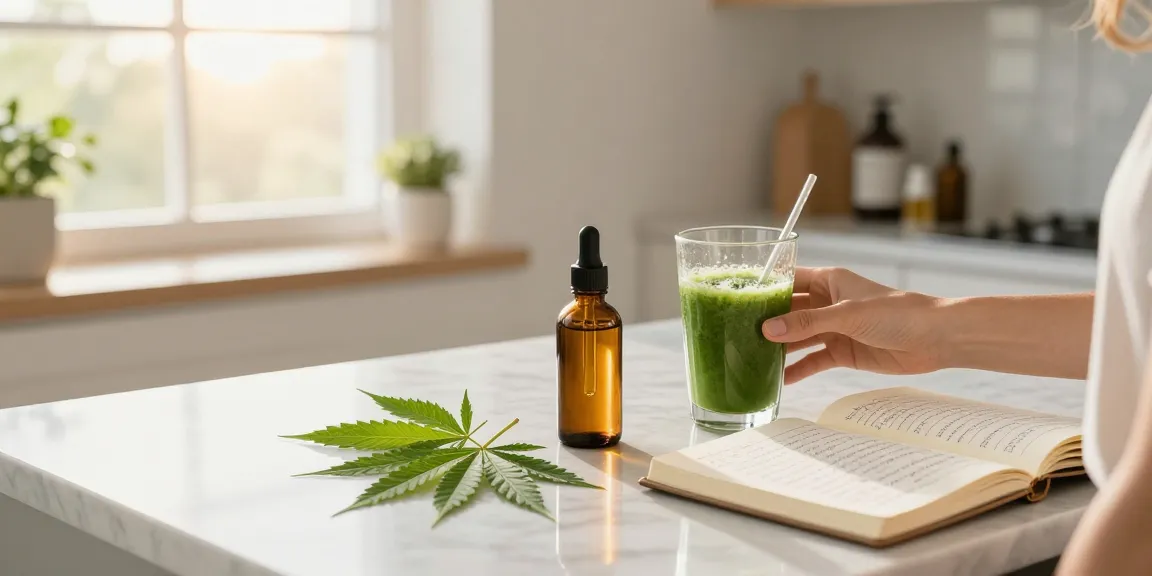
Among the most common forms, CBD oils and tinctures are typically taken sublingually for fast absorption through the mucous membranes. Users often value these methods for their convenience and adjustable dosing. Products may feature different concentrations and formulations, which can encompass full-spectrum (which may contain trace amounts of THC) or broad-spectrum (THC-free) options, catering to various user needs. Each formulation provides a unique profile of cannabinoids and terpenes, enhancing the therapeutic experience.
Edibles and Topicals: What You Should Know
CBD in edible forms—such as gummies, capsules, and beverages—delivers a tasty alternative for intake. These products undergo digestion, which typically results in a delayed onset of effects compared to oils but may last longer. Topical applications, including creams and balms, are formulated for targeted relief, often utilized for localized pain or skin conditions. The bioavailability of these products, however, may differ, given their interaction with skin receptors rather than systemic circulation.
Vaping CBD: Pros and Cons Explained
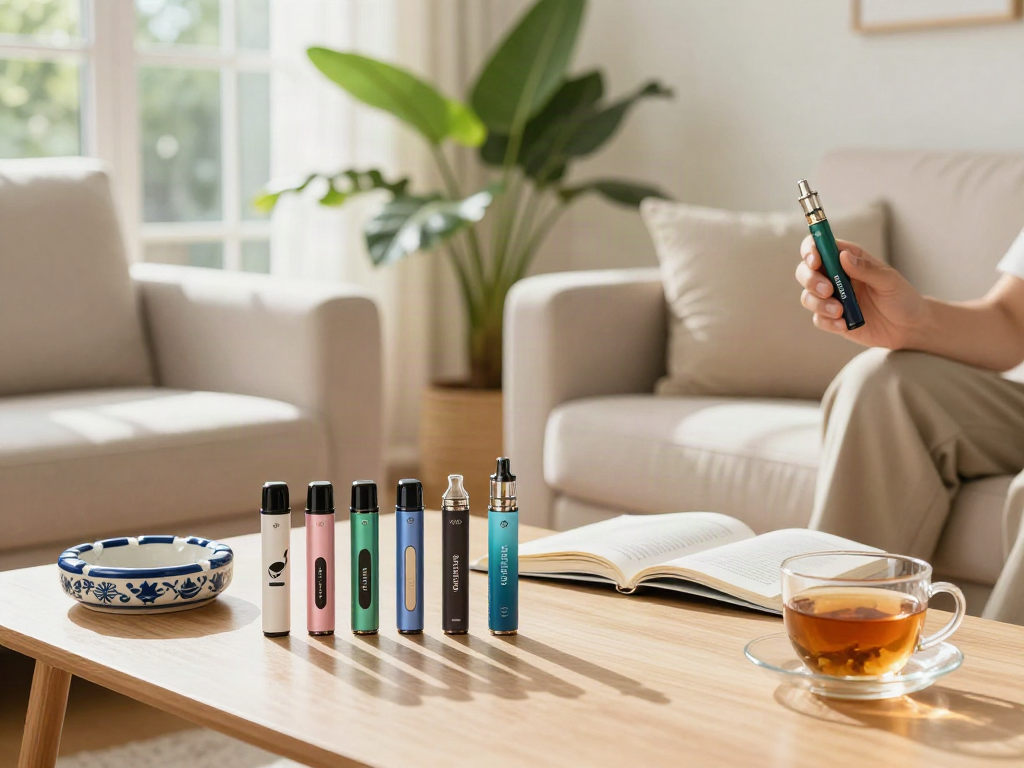
Vaping CBD through e-liquids or cartridges has gained popularity for its rapid onset effects—beneficial for those seeking immediate relief. However, potential risks associated with vaping, including lung health concerns and unregulated products, warrant careful consideration. Consumers should choose reputable brands and ensure products undergo proper third-party testing for safety.
How to Determine Proper CBD Dosage
Finding the correct dosage of CBD can significantly impact its effectiveness. Factors influencing dosage include individual body weight, metabolism, and tolerance levels. It is recommended to follow a 'start low, go slow' strategy to identify one's optimal dose without adverse effects.
Understanding Dosage Measurement and Calculations
CBD dosage typically depends on product concentration. For example, if a product contains 750 mg of CBD in a 30 mL bottle, each milliliter (mL) delivers approximately 25 mg of CBD. Users should adjust their dosage based on their individual experiences and health objectives.
Factors to Consider for Personalization
Factors such as age, weight, metabolism, and the specific formulation of the CBD product play vital roles in determining appropriate dosages. New users should also consider any preexisting conditions or medications that could affect how CBD interacts in their bodies.
Tips for Titrating Your CBD Intake
To titrate effectively, individuals can start with a low dose and gradually increase until they achieve the desired effects. Keeping a journal detailing dosages and effects can help track responsiveness and optimize the experience.
Quality Indicators and Safety Standards in CBD Products
Given the growing market, consumers should prioritize product quality and safety. Understanding key quality indicators can ensure the selection of safe, effective CBD products.
Importance of Third-Party Testing and COAs
Third-party testing is crucial for verifying the potency and purity of CBD products. Certificates of Analysis (COAs) should accompany any product, providing information on cannabinoid content, potential contaminants, and adherence to safety protocols. Seeking brands that invest in transparency enhances consumer trust.
Recognizing Signs of Quality Assurance
High-quality CBD products often feature organic certifications, mandatory lab results, and clear labeling. Brands that implement Good Manufacturing Practices (GMP) tend to reflect dedication to consistent, high standards across their product lines. Consumers should remain cautious of products that lack these quality assurances.
How to Read Lab Results Effectively
When reviewing lab results, consumers should look for total cannabinoid content, specific cannabinoid breakdown (like THC, CBD, CBG, etc.), and testing for contaminants such as heavy metals and pesticides. Understanding how to interpret these results is essential in making informed decisions about product safety and efficacy.
Navigating Legal Considerations for CBD Use in 2026
With evolving regulations, understanding the legal landscape for CBD in the United States is crucial for consumers. The 2018 Farm Bill legalized hemp-derived CBD with less than 0.3% THC federally, yet state laws may vary.
Current Regulations and Compliance Requirements
Each state may impose its specific regulations regarding CBD sales, with some states enacting stricter guidelines than others. It's essential for consumers to stay informed about the legality of CBD in their respective states, particularly regarding THC limits and product availability.
Is CBD Legal in Your State?
While hemp-derived CBD is primarily legal across the United States, certain states have established explicit laws restricting its sale or use. The best practice is to verify local laws before purchasing or consuming CBD products.
Understanding THC vs. CBD: What You Need to Know
One of the primary distinctions consumers must recognize is the difference between THC and CBD. THC is the psychoactive component associated with the sensation of a "high," while CBD is non-intoxicating. Understanding these differences can help users select appropriate products based on their personal preferences and legal requirements.
FAQs
What are the side effects of CBD oil?
While many users experience minimal side effects, some may report drowsiness, dry mouth, or digestive changes. It's essential to consult with a healthcare professional to understand potential interactions with medications or existing health conditions.
How can I incorporate CBD into my daily routine?
Incorporating CBD may involve taking it at specific times of the day or with particular activities to yield the desired results. For example, individuals seeking relaxation may opt for evening doses, while those pursuing focus might prefer morning intake.
What should I look for when buying CBD oil?
When selecting CBD oil, look for third-party lab testing, clear labeling with cannabinoid content, organic certification, and transparent company practices. Avoiding products with vague sourcing or unclear testing information can help ensure product quality.
Is CBD oil safe for pets?
CBD oil formulated specifically for pets can provide potential benefits, but always consult with a veterinarian before introducing any new supplements to an animal's regimen.
What is the difference between full-spectrum and isolate CBD?
Full-spectrum CBD products contain a range of cannabinoids and terpenes, which may enhance their effects due to the entourage effect. In contrast, CBD isolate is pure CBD without any other cannabinoids or compounds, making it an ideal choice for those seeking THC-free options.
Emphasizing Safety & Compliance
While CBD shows potential benefits, safety remains paramount. Users should always observe FDA guidelines and remain cautious of unverified claims by manufacturers.
The FDA has yet to evaluate many CBD claims, so individuals should approach consumption with care. Furthermore, consulting a healthcare professional before starting CBD is advisable, particularly for individuals with pre-existing health issues. As with any supplement, quality verification through third-party testing is vital to ensuring potential hazards are avoided.
As the industry evolves, consumers should remain vigilant regarding the products they choose. Prioritizing quality and seeking out reputable brands can help navigate the often-complex CBD market safely.