
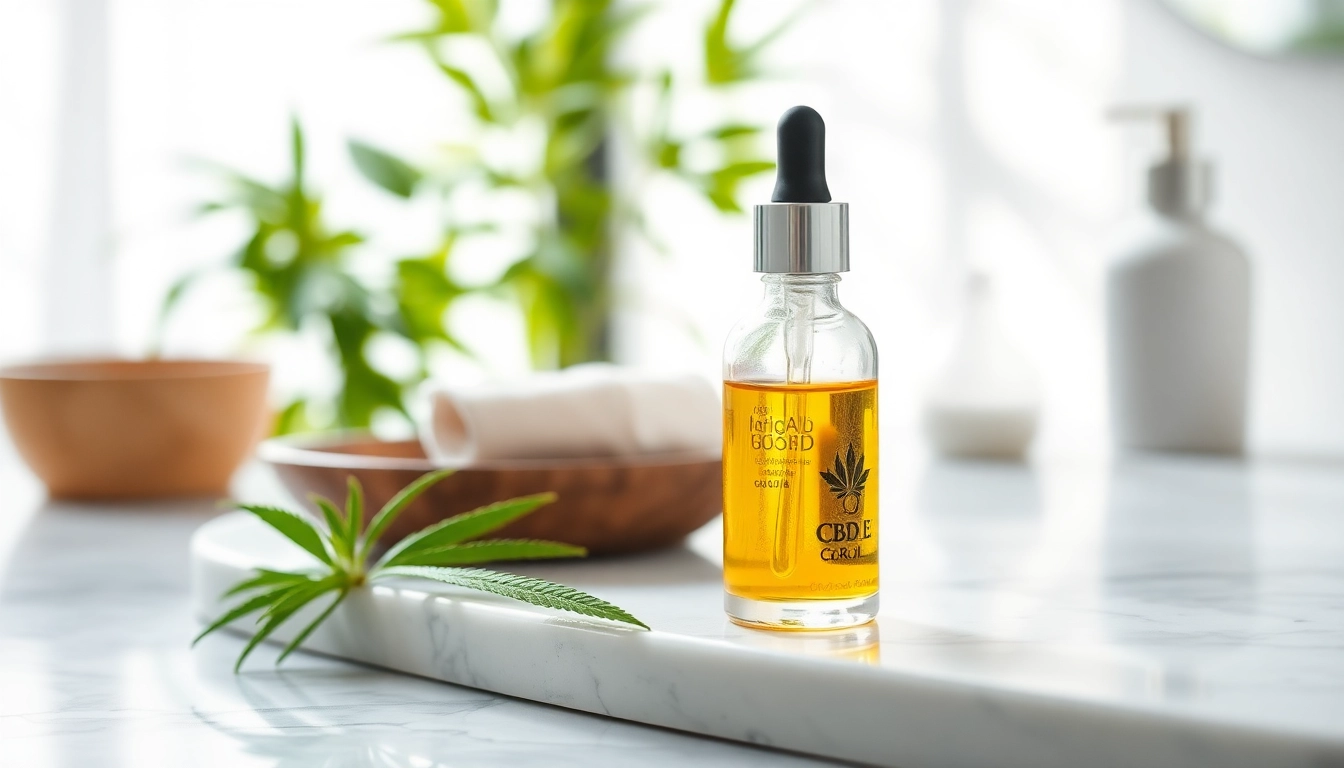
1. Introduction to CBD Oil for Skin
As the world increasingly embraces natural remedies, CBD oil has emerged as a popular option for many seeking both wellness and beauty enhancements. Derived from the cannabis plant, this compound has garnered considerable attention for its potential benefits, not only in managing health issues but also in skincare. The application of CBD oil for skin is particularly interesting, given its purported properties ranging from anti-inflammatory support to hydration. This article aims to explore the depths of how CBD oil can be a game changer for skincare enthusiasts and those dealing with various skin conditions.
1.1 What is CBD Oil?
Cannabidiol (CBD) is one of the numerous cannabinoids found in the cannabis plant, specifically in hemp. Unlike its more famous cousin, THC (tetrahydrocannabinol), CBD does not produce psychoactive effects, making it a suitable option for those who seek the benefits of cannabis without the high. CBD oil is typically made by extracting CBD from the hemp plant and then diluting it with a carrier oil, such as coconut or hemp seed oil.
The composition of CBD oil allows it to interact with the body’s endocannabinoid system (ECS), a complex cell-signaling system involved in regulating various processes such as mood, immune response, and, notably, skin health. Understanding how CBD interacts with the ECS is crucial for appreciating its potential in skincare.
1.2 How CBD Oil Works on Skin
The skin is the largest organ of the human body and serves as a protective barrier against external threats. The ECS plays a significant role in maintaining skin homeostasis, influencing inflammatory responses and overall skin health. CBD oil interacts with ECS receptors in the skin to help modulate these functions and can assist in managing conditions like eczema, acne, and psoriasis.
When applied topically, CBD oil is absorbed through the skin's surface. Some studies suggest that CBD possesses anti-inflammatory and antioxidant properties that can further aid in soothing irritated skin, reducing redness, and combating signs of aging. The potential for CBD to impact both the aesthetic and health aspects of skin makes it an exciting area for exploration.
1.3 Common Misconceptions About CBD Oil
With the rising popularity of CBD oil, several misconceptions have arisen. One common myth is that all CBD products will get you high, which is untrue given that CBD is sourced from hemp plants and contains negligible amounts of THC. Additionally, some may mistakenly believe that CBD oil is a cure-all, which it is not. While it can offer considerable benefits for skin health, results can vary based on individual conditions and treatments.
Another prevalent misconception is that CBD oil is illegal; however, as long as it contains less than 0.3% THC and is derived from hemp, it is legal in many regions. Understanding these factors can help consumers make informed decisions when considering CBD oil as part of their skincare regimen.
2. Benefits of CBD Oil for Skin
The integration of CBD oil into skincare routines has piqued interest due to its various potential benefits. Let’s explore some significant advantages that make CBD oil a valuable addition to skin health.
2.1 Anti-Inflammatory Properties
One of the most celebrated properties of CBD is its anti-inflammatory effect. Numerous studies suggest that CBD may help reduce inflammation at the cellular level, which is particularly beneficial for individuals with inflammatory skin conditions such as acne, eczema, and psoriasis. By inhibiting inflammatory pathways, CBD oil may help alleviate symptoms like redness, itching, and discomfort.
Research points to the effectiveness of CBD as a potential therapy for managing acne, where inflammation often plays a central role. CBD oil’s ability to regulate sebum production can minimize breakouts and contribute to clearer skin.
2.2 Hydration and Moisturization
Dry skin can lead to various complications, ranging from discomfort to exacerbated skin conditions. CBD oil is often cited for its hydrating qualities, making it a versatile component in moisturizers and serums. Its composition allows CBD to seep deeply into the skin, providing essential hydration without clogging pores.
Additionally, CBD oil is rich in essential fatty acids that can help strengthen the skin barrier, enhancing moisture retention. Regular application may improve skin texture and lead to a more plump, youthful appearance.
2.3 Potential to Treat Skin Conditions
A growing body of evidence supports the potential of CBD oil in treating various skin conditions beyond typical dryness and inflammation. Conditions like psoriasis, characterized by fast-growing skin cells leading to scaling, can benefit from the anti-proliferative properties of CBD. Similarly, its calming effects can ease the discomfort associated with eczema flare-ups, improving the quality of life for those affected.
Moreover, some preliminary studies indicate that CBD oil may even play a role in skin cancer management due to its potential to regulate cell growth. Although more research is needed, these emerging aspects highlight the multifaceted benefits of CBD oil in skincare.
3. How to Use CBD Oil for Skin
Integrating CBD oil into your skincare routine can be seamless if approached thoughtfully. Here are some effective methods and best practices to consider.
3.1 Application Methods
CBD oil can be used in various forms, including creams, serums, and pure oil. When incorporating it into your skincare routine, consider the following methods:
- Topical Application: Directly applying CBD oil to affected areas can yield localized effects. Use a small amount and gently massage it into the skin.
- Mixed with Other Products: Add a few drops of CBD oil to your favorite moisturizer or serum to enhance its hydrating and soothing properties.
- Bath Soaks: For a relaxing soak, mix CBD oil into bath water to help with muscle tension and promote overall skin hydration.
3.2 Best Practices for Skin Care
For optimum results, consider these best practices when using CBD oil:
- Patch Test: Before using CBD oil extensively, conduct a patch test on a small area of skin to check for any adverse reactions.
- Frequency of Use: Consistency is key. Regular use may yield better results compared to sporadic applications.
- Consultation: Consulting a dermatologist or skincare professional can help tailor the use of CBD oil to your specific skin needs.
3.3 Dosage Considerations
While there is no one-size-fits-all dosage for CBD oil, it’s crucial to start with a small amount and gradually increase as needed. Factors such as skin type, specific conditions, and sensitivity will influence the appropriate dosage. Monitoring your skin’s response will help determine the right amount for your individual needs. It’s also wise to adhere to the manufacturer’s guidelines if using commercially available CBD skincare formulations.
4. Choosing the Right CBD Oil for Skin
With multiple options available on the market, selecting the right CBD oil for your skincare needs is essential. Here’s a guide to help you navigate the choices.
4.1 Understanding Product Labels
When shopping for CBD oil, it’s important to decipher product labels effectively. Look for certifications that indicate third-party testing, which ensures that what’s on the label is consistent with what’s inside the bottle. Ingredients should also be clearly listed, and it’s advisable to avoid products with harmful additives or synthetic ingredients.
4.2 Full-Spectrum vs. Isolate Options
CBD products come in different forms, notably full-spectrum and isolate options. Full-spectrum CBD oil contains all cannabinoids and terpenes present in the cannabis plant, including trace amounts of THC, which may enhance therapeutic effects through the entourage effect. Conversely, CBD isolate is pure CBD with no other cannabinoids. Understanding your preferences and potential sensitivities can guide you towards the right choice.
4.3 Quality and Sourcing Factors
Prioritize quality when choosing CBD products. Look for oil sourced from organically grown hemp, free from pesticides and herbicides. Companies that provide transparency about their sourcing and extraction processes generally reflect higher product quality. Investigating customer reviews and experiences can also offer insights into product effectiveness and trustworthiness.
5. Potential Side Effects and Considerations
While CBD oil is well-tolerated by most individuals, it’s important to be aware of potential side effects and considerations that may arise.
5.1 Common Side Effects
Some users may experience mild side effects, including dry mouth, fatigue, or changes in appetite. Although rare, allergic reactions can occur. Monitoring your body’s response upon using CBD oil is crucial in identifying any adverse reactions.
5.2 Allergies and Sensitivities
Because CBD oil is derived from plants, some individuals may have sensitivities or allergies to CBD or the carrier oils used in formulations. Consulting a healthcare professional is advisable for individuals with known allergies or skin sensitivities.
5.3 Consulting a Professional
As the research surrounding CBD oil continues to grow, it’s wise to stay informed and consult skincare professionals or healthcare providers when considering incorporating CBD oil into your routine—especially if you are already on other medications or have underlying health conditions. Professionals can provide tailored advice based on your specific skincare needs and health status.