The Health Benefits of CBD Products
Cannabidiol (CBD) has garnered significant attention in recent years, primarily for its potential therapeutic benefits. As a natural compound derived from hemp, CBD interacts with the body's endocannabinoid system (ECS) to help maintain homeostasis and support overall wellness. For those interested in exploring these benefits, the option to order weed online has made access to quality CBD products easier than ever. This article will delve into the various health advantages associated with CBD, ranging from mental wellness to physical relief.
How CBD Supports Mental Wellness
Research suggests that CBD may play a supportive role in managing anxiety and stress. Its interaction with serotonin receptors in the brain can influence mood regulation, potentially leading to reduced feelings of anxiety. Additionally, CBD is being studied for its effects on depression and post-traumatic stress disorder (PTSD). Clinical trials have indicated that CBD may assist in decreasing anxiety levels during stressful situations, providing a calming effect without the psychoactive properties commonly associated with THC (tetrahydrocannabinol).
Physical Benefits: Relief from Stress and Pain
The anti-inflammatory properties of CBD have been widely recognized, making it a promising option for those suffering from chronic pain conditions, such as arthritis and fibromyalgia. By interacting with pain receptors in the body, CBD may help to lessen inflammation and provide relief. Furthermore, many athletes have reported using CBD to aid in post-workout recovery, reducing muscle soreness and enhancing performance levels.
The Role of Cannabinoids in Overall Health
Cannabinoids, including CBD, play a crucial role in various bodily functions, thanks largely to the ECS, which regulates several physiological processes. This includes pain sensation, appetite, mood, and memory. The potential for CBD to aid in maintaining balance within the ECS suggests that regular use may lead to improved overall health and well-being.
Understanding Different CBD Product Types
With the expanding market for CBD, it can be overwhelming to navigate the myriad product types available to consumers. From oils and tinctures to edibles and topicals, each form offers distinct advantages and delivery methods. Understanding the different types will empower consumers to choose the CBD products that best suit their needs.
Exploring Sublingual Oils and Tinctures
Sublingual oils and tinctures are among the most popular CBD forms due to their ease of use and rapid onset. These products are taken by placing a few drops under the tongue, allowing for quick absorption into the bloodstream. This method can provide effects within 15 to 30 minutes, making it an ideal choice for those seeking immediate relief.
Edibles vs. Topicals: Choosing What’s Right for You
CBD edibles, such as gummies and capsules, offer a delicious way to enjoy the benefits of CBD. However, they require more time to digest, with effects typically felt within 30 minutes to 2 hours, depending on metabolism. On the other hand, topical products, including creams and balms, are ideal for localized relief, as they can be applied directly to affected areas to target pain and inflammation.
Vaping CBD: A Quick Delivery Method Explained
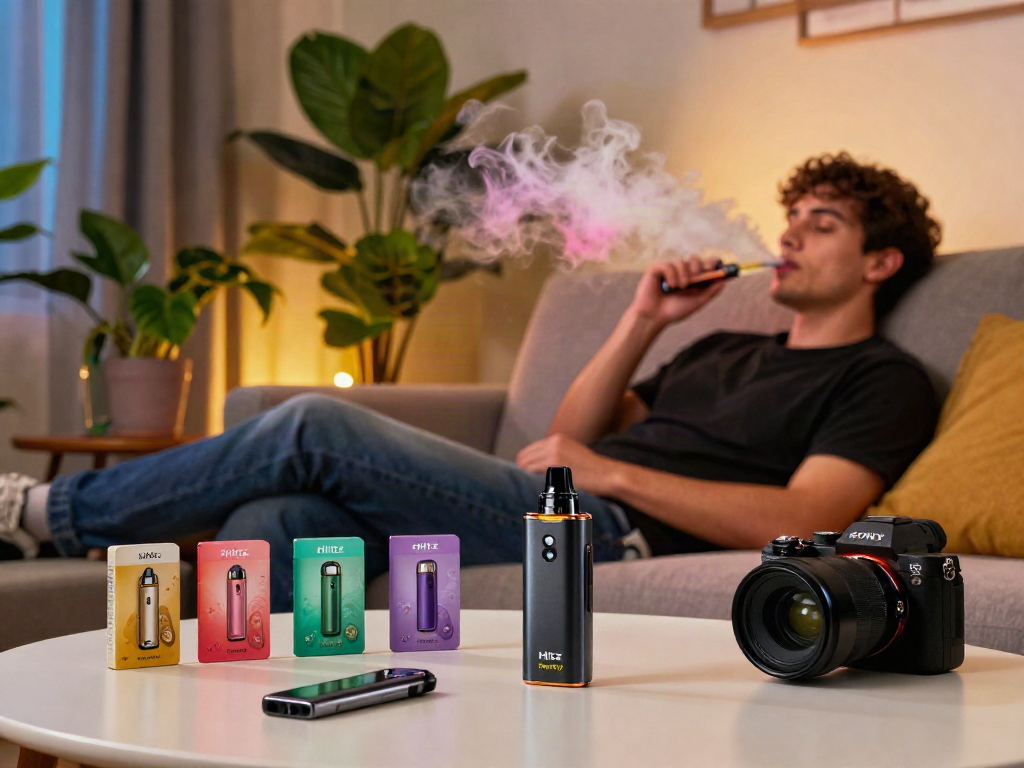
Vaping is another effective way to consume CBD, providing almost immediate effects due to the rapid absorption through the lungs. Vape products include cartridges, pens, and e-liquids, allowing users to tailor their experience to personal preferences. Vaping is popular for its convenience and discretion, making it a suitable option for those on-the-go.
Dosage Guidelines for Effective Use
Determining the appropriate dosage of CBD can vary significantly from person to person, as factors such as body weight, tolerance, and the condition being treated can influence individual needs. Start low and go slow is a common recommendation, allowing users to gradually find their optimal dose without experiencing adverse effects.
Determining Your Ideal CBD Dosage
In general, it is advised to begin with a low dose, typically between 5 to 10 mg of CBD. From there, individuals can increase their dosage incrementally until achieving the desired effects. Keeping a journal of experiences can be beneficial for tracking changes and understanding how different dosages affect one's body.
Titration Techniques for Fine-Tuning Effects
Titration refers to the process of adjusting one's dosage based on self-observed effects. This method entails increasing the dosage gradually, observing the body's response, and making adjustments to find the most effective amount. It's particularly useful for those who are new to CBD or trying new products.
Reading Labels: Understanding Potency and Serving Sizes
When selecting CBD products, understanding how to read labels is essential. Consumers should look for details on potency (measured in mg), recommended serving sizes, and whether the product is full-spectrum, broad-spectrum, or isolate. This knowledge enables individuals to make informed choices tailored to their health goals.
Quality Indicators for CBD Products
With the rapid growth of the CBD industry, quality control is paramount. Consumers are encouraged to seek out products that prioritize transparency and quality assurance. Here are some key indicators of quality to watch for when selecting CBD products.
The Importance of Third-Party Testing
Third-party testing is crucial for verifying the potency and purity of CBD products. Reputable companies will provide certificates of analysis (COAs) from an independent lab, confirming that their products are free from harmful contaminants and that the labeled potency matches the actual content. Always request or look for these certificates to ensure safety.
Understanding COA (Certificate of Analysis)
A COA provides important information regarding a product's cannabinoid profile, including CBD, THC levels, and any other present phytocannabinoids. Additionally, a COA should have results from tests for heavy metals, pesticides, and microbial contamination, which can negatively impact health.
Identifying Reputable Brands in the Market
High-quality CBD brands are transparent about their sourcing and manufacturing processes, as well as ingredient purity. Look for companies that engage in sustainable farming practices, adhere to GMP (Good Manufacturing Practices), and are willing to provide extensive information about their product lines. Brands that consistently receive positive reviews and maintain good standing within the community are also good choices.
Legal Considerations for Purchasing CBD in 2026
The 2018 Farm Bill legalized hemp-derived CBD containing less than 0.3% THC federally, marking a significant milestone in the cannabis space. However, consumers should be aware of state-specific regulations that may differ from federal laws when purchasing CBD products.
Current Federal and State Regulations
As of 2026, the legal landscape around CBD continues to evolve. While hemp-derived CBD remains federally legal in most states, some states have enacted stricter regulations concerning THC levels. It is critical to familiarize oneself with local laws before purchasing to ensure compliance.
Understanding THC Levels and Compliance
One key parameter for legality is the THC content in CBD products. Federally, CBD products must contain under 0.3% THC to be considered legal. Products exceeding this limit can face legal repercussions and may be banned in certain states. Always check COAs to confirm the THC levels of any product you purchase.
Safety Standards for Consumers
Consumer safety is paramount in the CBD industry. The FDA offers guidance on labeling requirements and product claims, emphasizing the need for accurate representation and safety. Consumers should remain vigilant and choose products that disclose their ingredient contents, dosages, potential allergens, and production practices.
What are the potential side effects of CBD?
While CBD is generally considered safe, it can cause side effects such as drowsiness, dry mouth, and digestive changes. Some individuals may also experience potential interactions with medications, especially those that affect liver enzymes. It's crucial to discuss CBD use with a healthcare professional, especially if taking other medications.
How can I ensure I’m buying lab-tested CBD products?
To ensure the quality and safety of CBD products, always look for third-party lab results or COAs provided by the manufacturer. Reputable brands will make this information readily available on their websites or upon request.
What’s the difference between CBD and THC?
CBD and THC are both cannabinoids derived from cannabis, but they offer different effects. THC is psychoactive, causing the "high" associated with cannabis, while CBD is non-psychoactive and primarily sought after for its potential health benefits without altering the mind.
Are there any drug interactions with CBD?
Yes, CBD can interact with certain medications, particularly those metabolized by liver enzymes. This includes blood thinners and seizure medications. Consulting with a healthcare professional before starting CBD is advisable to avoid potential interactions.
How should I store my CBD products for longevity?
To maintain potency and freshness, CBD products should be stored in a cool, dark place, away from direct sunlight and humidity. Proper storage methods prolong shelf life and ensure that the product remains effective over time.
Conclusion
With its growing recognition and range of available products, CBD offers promising benefits for mental and physical health. For more information, concentrate delivery near me offers valuable insights. Understanding the various forms of CBD, dosage guidelines, quality indicators, and legal considerations enhances informed decision-making. By prioritizing safety and transparency, consumers can confidently explore the potential wellness benefits of CBD while navigating this rapidly evolving industry.