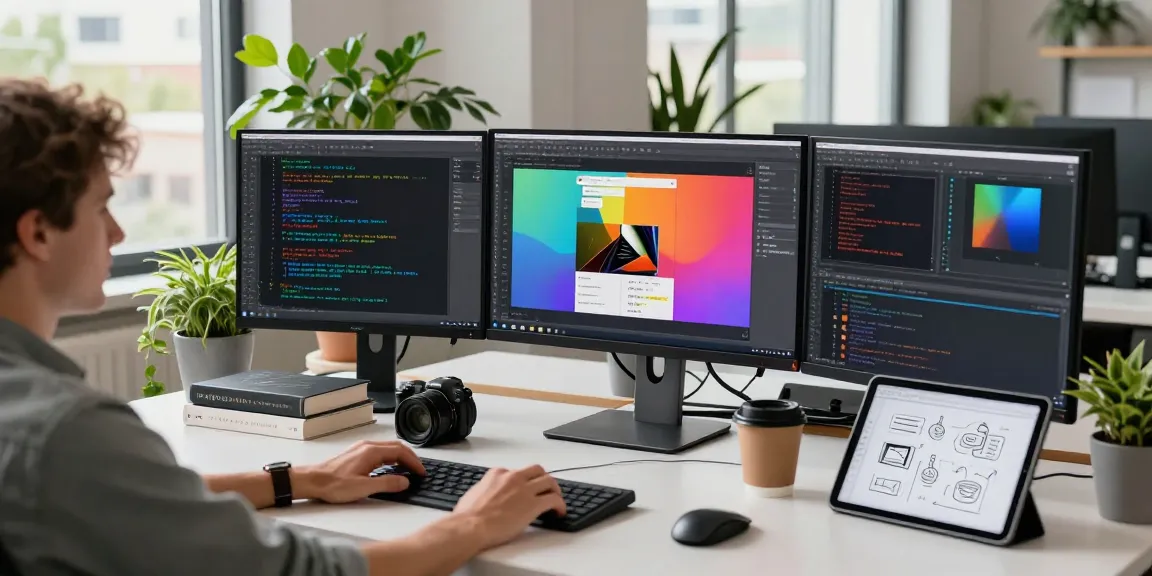

Understanding AI Prompt Images and Their Impact
The convergence of artificial intelligence and digital artistry has ushered in a transformative era, wherein creators can leverage ai prompt image generators to turn visual stimuli into descriptive textual prompts. This innovative approach not only enhances the creative process but also simplifies tasks for artists, marketers, and content creators alike. By understanding how AI interprets images and generates relevant prompts, users can significantly improve their productivity and the quality of outputs across various platforms.
What is an AI Prompt Image?
An AI prompt image is a textual description generated by an artificial intelligence system based on the analysis of a visual input. This technology is particularly useful in the realm of AI-generated art, where the quality and specificity of prompts can directly affect the resulting images produced by AI models. By utilizing AI prompt images, users can create intricate artworks, illustrations, and visual narratives that reflect their original vision with remarkable accuracy.
The Role of AI in Image Generation
Artificial intelligence plays a pivotal role in modern image generation by employing algorithms and machine learning techniques to analyze existing images and translate them into language that is both descriptive and precise. AI systems, particularly those designed for prompt generation, assess numerous aspects of an image, including subjects, environments, and stylistic elements. This capability allows artists to create compelling narratives that guide AI models in producing high-quality images tailored to specific needs, thus bridging the gap between visual inspiration and creative execution.
Benefits of Using AI Prompt Images in Digital Art
- Enhanced Creativity: AI prompt images enable artists to explore unique ideas by providing fresh perspectives and inspiration derived from ordinary images.
- Streamlined Workflow: By automating the prompt generation process, artists can save time and focus on refining their creative direction.
- Quality Consistency: The ability to generate high-quality prompts helps maintain consistency in output quality across multiple projects.
- Accessibility: Even those with limited artistic skills can leverage AI-generated prompts to create visually appealing content.
How to Effectively Use an AI Prompt Generator
Step-by-Step Guide to Generating Prompts
To maximize the potential of an AI prompt generator, follow these straightforward steps:
- Upload Your Image: Begin by selecting an image that you would like to convert into a prompt. Most platforms allow various formats, including PNG, JPG, and WEBP.
- Choose Your AI Model: Depending on your requirements, select an appropriate AI model, such as Flux, Midjourney, or Stable Diffusion, which may yield different outcomes based on their algorithms.
- Generate the Prompt: Click the “Generate Prompt” button and wait a few seconds for the AI to analyze the image and create a detailed textual description.
- Refine as Necessary: Review the generated prompt and make any adjustments to better suit your artistic vision or project specifications.
Best Practices for Uploading Images
To achieve optimal results from an AI prompt generator, consider these best practices:
- High-Quality Images: Use clear, high-resolution images that contain well-defined subjects to enhance the accuracy of the generated prompts.
- Relevant Content: Select images that best represent the concept you wish to convey, as this will influence the AI’s interpretation.
- Avoid Cluttered Backgrounds: Images with distracting elements may yield vague or unfocused prompts. Aim for simplicity and clarity in your visual content.
Choosing the Right AI Model for Your Needs
Selecting the appropriate AI model can significantly impact the quality of prompts generated. Here are key factors to consider:
- Target Output Style: Different AI models excel in various artistic styles, so it’s essential to match the model with your desired outcome.
- Speed vs Quality: Some models prioritize faster processing times at the cost of prompt detail, while others offer in-depth analysis but may take longer.
- Compatibility: Ensure that the AI model you choose is compatible with the tools you plan to use for rendering or editing the images.
Enhancing AI Prompt Image Accuracy and Quality
Understanding Prompt Structure and Key Elements
A well-structured prompt can dramatically improve the outcome of generated images. Key elements to consider include:
- Detailed Subjects: Specify the main focus. For instance, instead of simply writing “tree,” describe the type, size, and any unique features.
- Environmental Context: Include details about the setting, such as “a lush forest” or “a bustling cityscape” to contextualize the subject.
- Desired Style: Indicate the artistic style you desire, whether it’s photorealistic, abstract, or in the style of a particular artist.
Common Mistakes to Avoid in Prompt Generation
To enhance the effectiveness of AI prompt generation, avoid these common pitfalls:
- Overgeneralization: Vague prompts lead to generic results. Be specific in your descriptions.
- Ignoring Technical Specifications: Each AI model has its own parameters. Familiarize yourself with these to optimize your prompts.
- Neglecting Refinement: Failing to edit or refine the generated prompts can result in less-than-ideal output.
Techniques to Fine-tune Generated Prompts
Fine-tuning is essential for elevating the quality of AI-generated outputs. Here are techniques to consider:
- Feedback Loops: Utilize a feedback loop wherein you analyze generated images and make iterative adjustments to your prompts based on the outcomes.
- Use Examples: Incorporate examples of successful prompts from the community or industry to guide your own prompt refinement process.
- Experimentation: Don’t hesitate to experiment with different phrasing or additional details to discover what yields the best results.
Real-World Applications of AI Prompt Images
Commercial Uses in Marketing and Branding
Businesses are increasingly turning to AI prompt images to create compelling advertising content. By leveraging AI-generated prompts, marketers can:
- Rapidly Generate Variations: Create multiple versions of a campaign image to A/B test and find the most effective visual representation.
- Enhance Personalization: Use prompts that reflect customer preferences and behaviors, ultimately leading to improved engagement rates.
- Cost-Effectiveness: Reduce reliance on costly photoshoots by generating unique visuals tailored to specific marketing materials.
Creative Applications in the Art Community
Artists from various disciplines are also discovering the benefits of AI prompt images:
- Expanding Creative Horizons: Artists can explore new styles and concepts by utilizing AI to inspire their work.
- Collaborative Art Projects: AI can serve as a creative partner, generating visual elements that artists can then interpret and build upon in their works.
- Community Sharing: Artists share their AI-generated prompts and resulting images, fostering a collaborative and educational environment.
Case Studies of Successful AI-Generated Projects
Numerous projects have showcased the power of AI in creative fields:
- Film and Animation: Filmmakers are using AI prompt generators to conceptualize scenes and character designs efficiently.
- Game Development: Game developers have harnessed AI to create intricate game worlds and character models from basic textual inputs.
- Crowdsourced Art Platforms: Platforms that aggregate community-generated prompts and images highlight collaborative efforts, leading to unique artworks.
Future Trends in AI Image Prompting for 2026 and Beyond
Emerging Technologies in AI and Image Generation
The landscape of AI image prompting is continuously evolving. Anticipated advancements include:
- Integration of Augmented Reality: AI-generated prompts may soon be used in AR applications, allowing users to visualize generated images in real-world settings.
- Improved Contextual Understanding: Future AI models are expected to exhibit a deeper understanding of context, enabling more nuanced image generation.
- Hybrid Creative Collaborations: Expect collaborations between AI and human creators that blur the lines between machine-generated and traditionally created artworks.
Anticipated Changes in User Preferences
As AI technologies advance, user preferences are likely to shift towards:
- Greater Customization: Users will demand more control over prompt parameters to align with specific creative intentions.
- Interactive Tools: Real-time editing tools that allow users to manipulate prompts on-the-fly will become increasingly popular.
- Seamless Integration: A preference for AI tools that integrate effortlessly into existing workflows and applications is expected to grow.
Expert Insights on Evolving Creative Processes
Industry experts predict that the use of AI prompt images will lead to fundamental changes in creative processes. This includes:
- Rethinking Artistic Ownership: As AI plays a more prominent role, questions about ownership, authorship, and creative credit will become more complex.
- A Shift in Skillsets: Artists may need to acquire new skills focused on prompt engineering and AI interaction rather than just traditional techniques.
- Community and Collaboration: The emphasis on community-driven content will foster new collaborative approaches to art and design, driven by AI capabilities.
What types of prompts can be generated with AI?
AI can generate various categories of prompts including descriptive narratives, stylistic themes, and contextual settings. This flexibility empowers users to create a wide range of artistic outputs tailored to their specific needs.
Is it free to use an AI image prompt generator?
Many AI image prompt generators offer free tiers, allowing users to experiment with basic functionalities. However, advanced features or high-volume usage may require subscription plans or one-time payments.
How does AI prompt image generation improve results?
By converting images into detailed prompts, AI enhances the specificity and relevance of creative outputs. This leads to a more aligned visual representation of the original concept, resulting in better quality and increased satisfaction for users.